Our Scientific Mission
The lab is broadly interested in understanding how viruses exploit host cell pathways to promote infection and replication. Our research combines virology, RNA biology, and integrative structural biology to uncover the molecular mechanisms that govern virus-host interactions.
Viruses rely extensively on cellular machinery to complete essential stages of their life cycle. At the same time, rapidly evolving viral genomes enable adaptation and the emergence of drug-resistant variants, creating ongoing challenges for antiviral therapeutics. By understanding how viruses hijack conserved host pathways, we hope to uncover shared principles of viral replication that may ultimately support the development of broader antiviral strategies and improve preparedness against emerging pathogens.
A major focus of the lab is the role of RNA-mediated interactions between viral and host factors, particularly during the late stages of viral replication and assembly. Current projects investigate how multifunctional host RNA-binding proteins are co-opted by viruses such as HIV-1 to regulate intracellular trafficking, translation, and virion formation. Long-term, we are interested in determining whether diverse viruses converge on common molecular strategies to manipulate host cell biology.
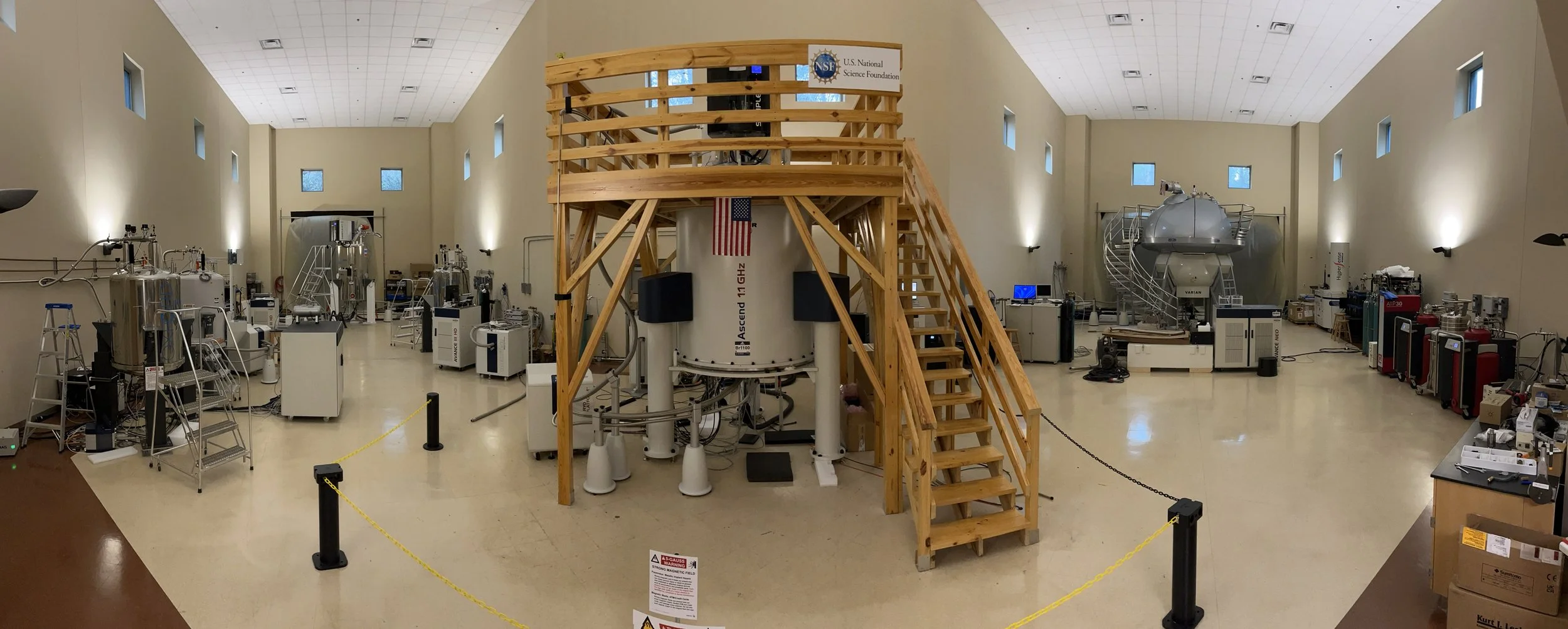
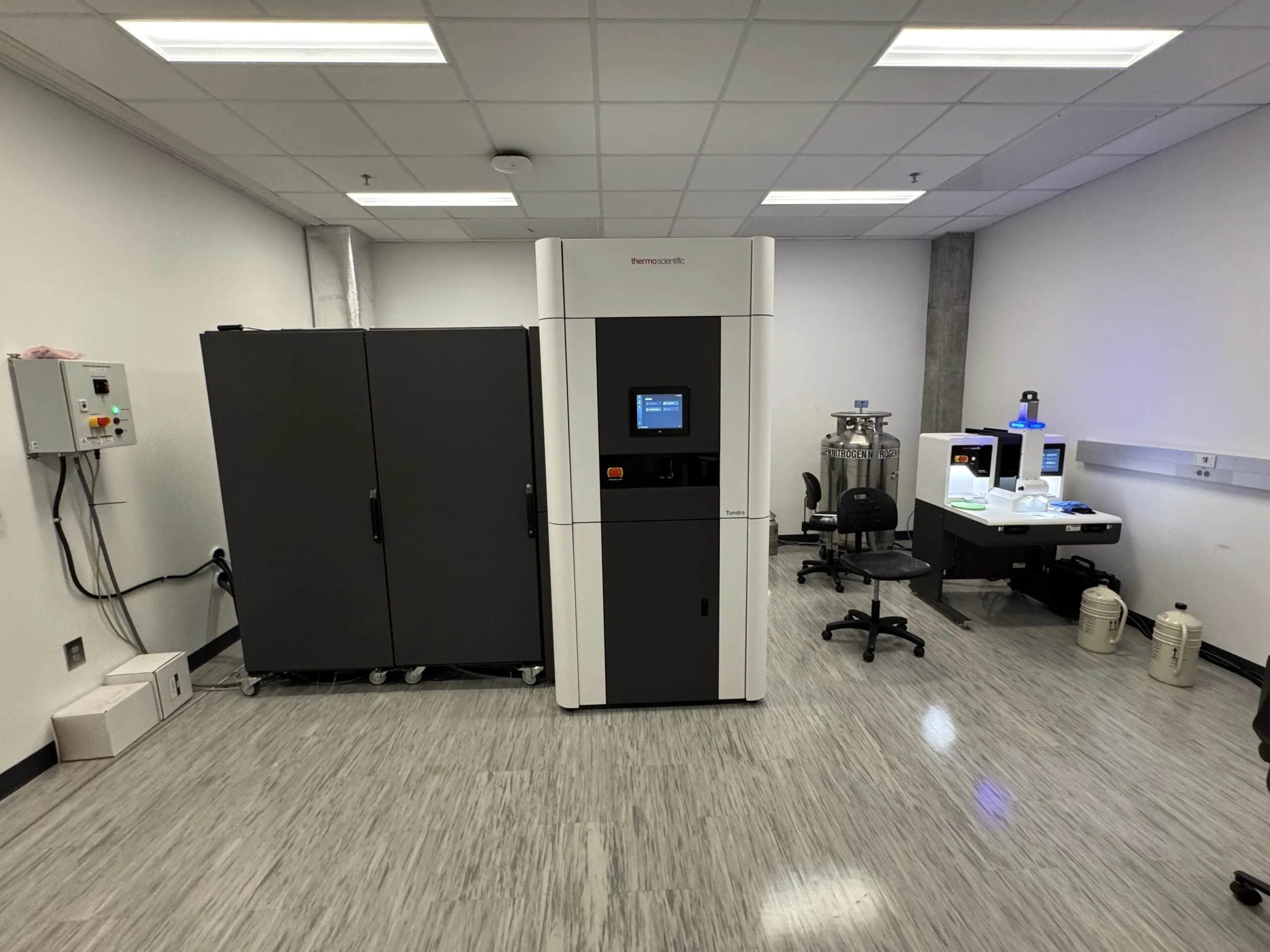
To address these questions, the lab employs a multidisciplinary and highly collaborative approach that integrates structural, biochemical, and cellular methods. In particular, we combine nuclear magnetic resonance spectroscopy (NMR) and cryogenic electron microscopy (cryo-EM) to study dynamic and higher-order virus-host assemblies. By integrating complementary experimental approaches, we aim to generate mechanistic insights that are difficult to obtain using any single method alone.
We aspire to contribute fundamental insights into virus-host interactions while creating an innovative, collaborative, and supportive scientific environment where trainees can develop both scientifically and professionally.